🔥 Fire & Rescue Instructor • Researcher • AI Developer

Advancing Fire, Rescue & EV Safety Through Research and AI.

A professional knowledge hub by Taufiq Sparkz, focused on fire science, technical rescue, EV safety, public safety diving, hyperbaric training, and AI-assisted emergency systems.

Official Portfolio

Taufiq Sparkz

Fire & Rescue knowledge platform for EV safety, tactical response, technical rescue, hyperbaric training, AI systems, and research-based emergency innovation.

Autoplay video is muted by default for browser compatibility.

Taufiq Sparkz Featured Video

Watch the featured Taufiq Sparkz portfolio video directly on the website. This embedded video highlights your professional identity, Fire & Rescue knowledge sharing, AI development, EV safety, and technical training presence.

Weather, Water Level, Time & Fire Danger Rating

Quick access dashboard for awareness, training reference, and emergency preparedness. Live data is linked to official Malaysian public information sources where available.

🕒

Malaysia Time

Loading...

Malaysia Standard Time

🌦️

Weather Information

Check current Malaysian weather forecast, warnings, rainfall and weather-related public information.

Open METMalaysia →
🌊

Water Level / Flood Status

Access river level, rainfall, flood warning and Public InfoBanjir information for flood monitoring.

Open Public InfoBanjir →
🔥

Fire Danger Rating System

View Fire Danger Rating System information and related fire weather monitoring products.

Open FDRS Malaysia →

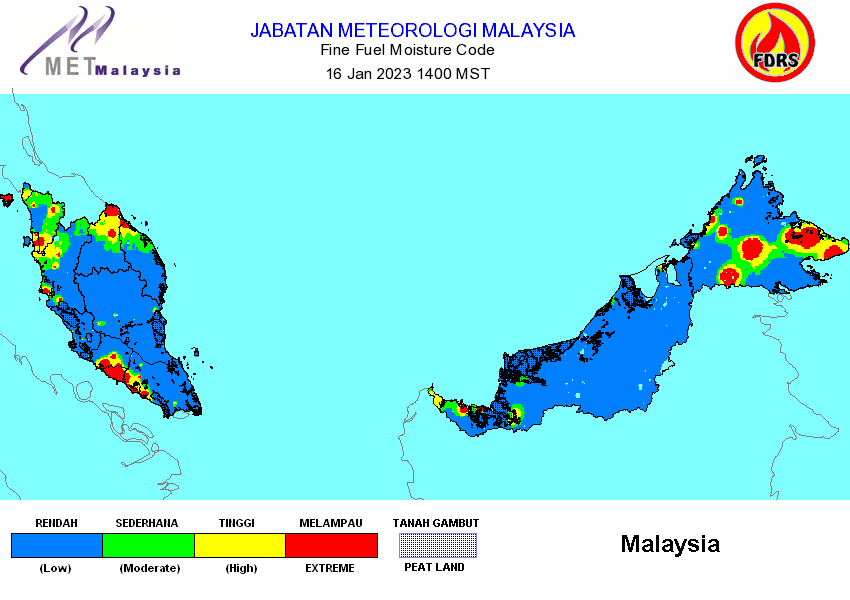
FDRS Quick View: Fine Fuel Moisture Code (FFMC)

This embedded map is linked from METMalaysia’s FDRS public image source. If the image is temporarily unavailable, use the button below to open the official FDRS Malaysia page.

Malaysia FDRS Fine Fuel Moisture Code map from METMalaysia
Important: This dashboard is for awareness, education and training reference only. For official emergency decisions, always refer to the responsible Malaysian authorities, official warnings, incident command, and local emergency response procedures.

Built for knowledge, training, research, and operational impact.

Taufiq Sparkz is a professional fire and rescue knowledge platform created to organise, publish, and share technical knowledge for responders, instructors, researchers, safety practitioners, and emergency planners.

The website brings together operational experience, scientific reasoning, AI-assisted systems, bilingual English–Malay training content, emergency frameworks, research papers, and technical rescue education.

The mission is to translate complex emergency response knowledge into practical, structured, and field-ready systems that can support safer decision-making and better training outcomes.

Core Focus Areas

A multidisciplinary approach combining Fire & Rescue doctrine, STEMPCHEM™, emergency operations, research, and AI-assisted decision support.

🔥

Fire & Rescue Science

Fire behaviour, compartment fire development, offensive indoor firefighting, vehicle fire response, fire engineering calculations, and tactical safety.

🔋

EV Safety & Thermal Runaway

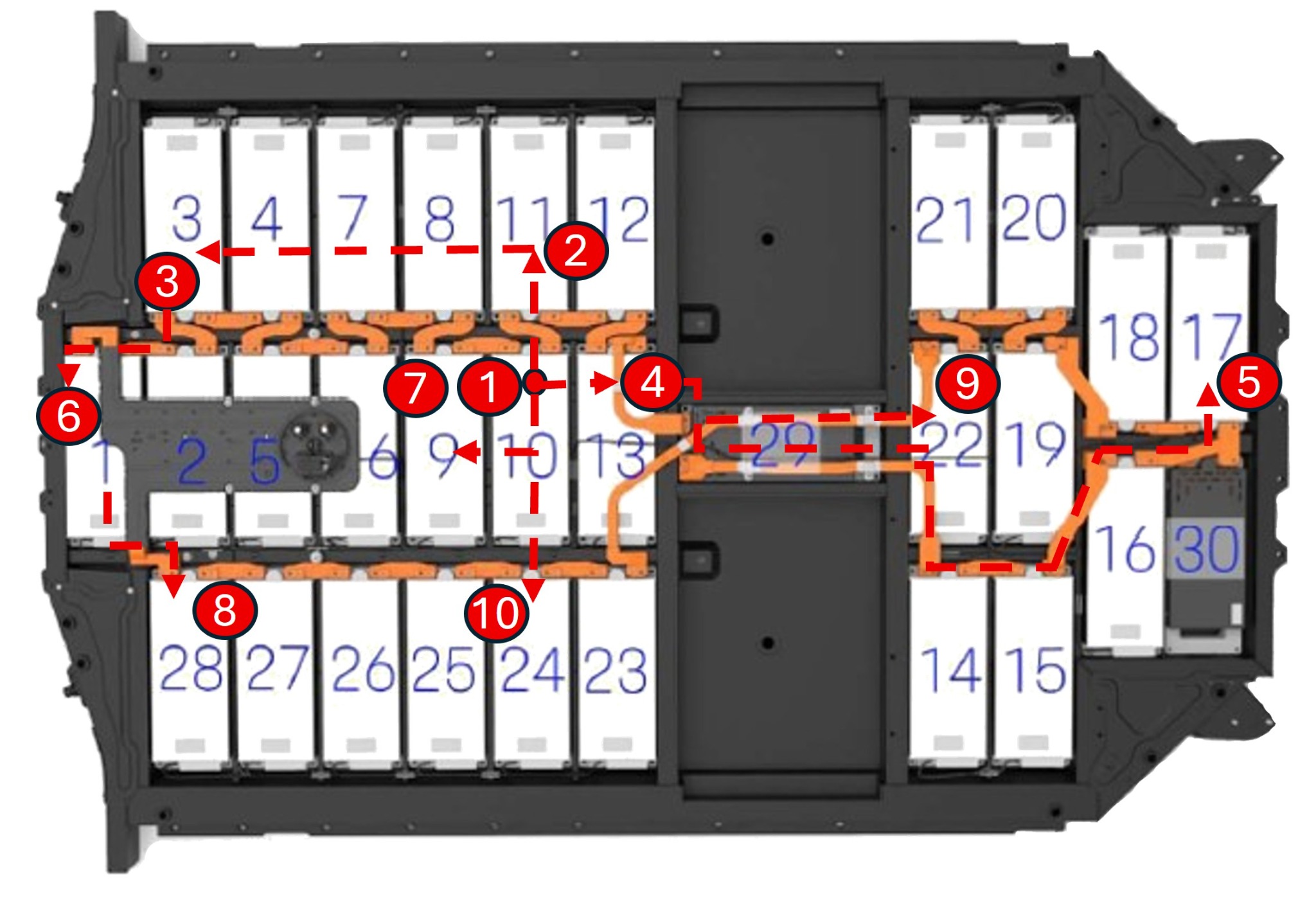
Lithium-ion battery fire behaviour, EV fire blanket applications, thermal runaway research, heat flux mapping, gas emission studies, and EAP development.

🤖

AI Fire & Rescue Systems

AI-assisted emergency frameworks, MyGPT development, predictive risk analysis, responder decision-support systems, and operational data integration.

🌊

Technical Rescue & Diving

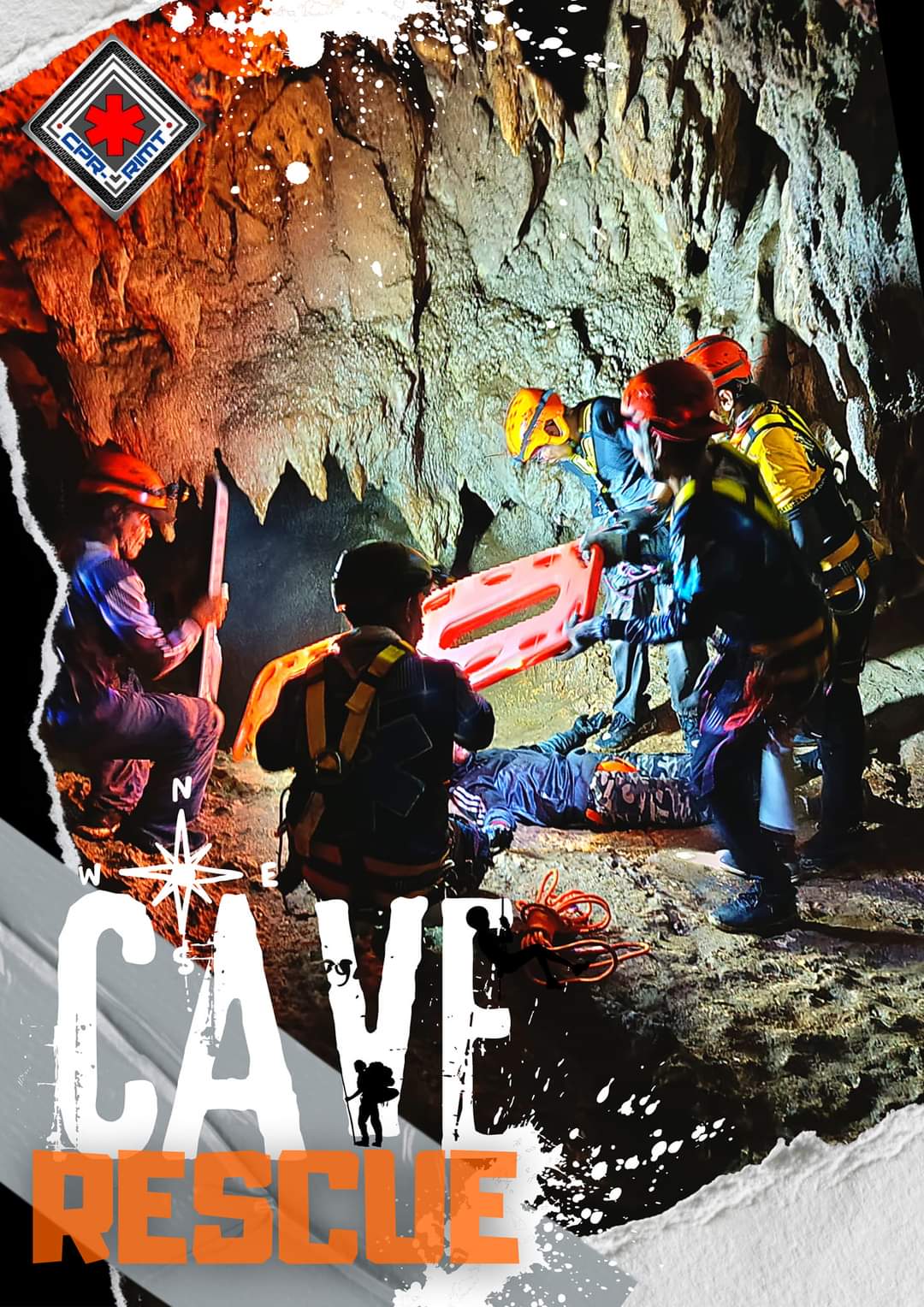
Public safety diving, swift water rescue, hyperbaric training, cave rescue, flood response, technical rescue simulators, and diver medical support.

Research & Innovation Projects

EV Safety Research

Large-Scale EV Thermal Runaway Research

Field research involving high-voltage EV battery thermal runaway, suppression behaviour, EV fire blanket effectiveness, water application, heat flux, smoke, gas, and environmental sampling.

Fire Suppression Innovation

D.I.F-X™ Conceptual Fire Extinguisher

Conceptual development of a deionized, insulating, and encapsulating fire extinguisher for EV battery fire response and ER-IA risk reduction.

Advanced Fire Science

Thermo-Quantum EV Fire Safety Project

A conceptual research direction connecting thermal runaway, electron excitation, phonon transfer, quantum-level energy mechanisms, fire-resistant material engineering, and AI prediction.

Moments, Missions, Milestones.

The Hall of Fame is now organised as folders. Visitors click one category folder to open all images inside that category, including Technical Rescue as one complete album.

Personal
1 image
📁
Hall of Fame Folder

Personal

Personal milestones and professional identity.

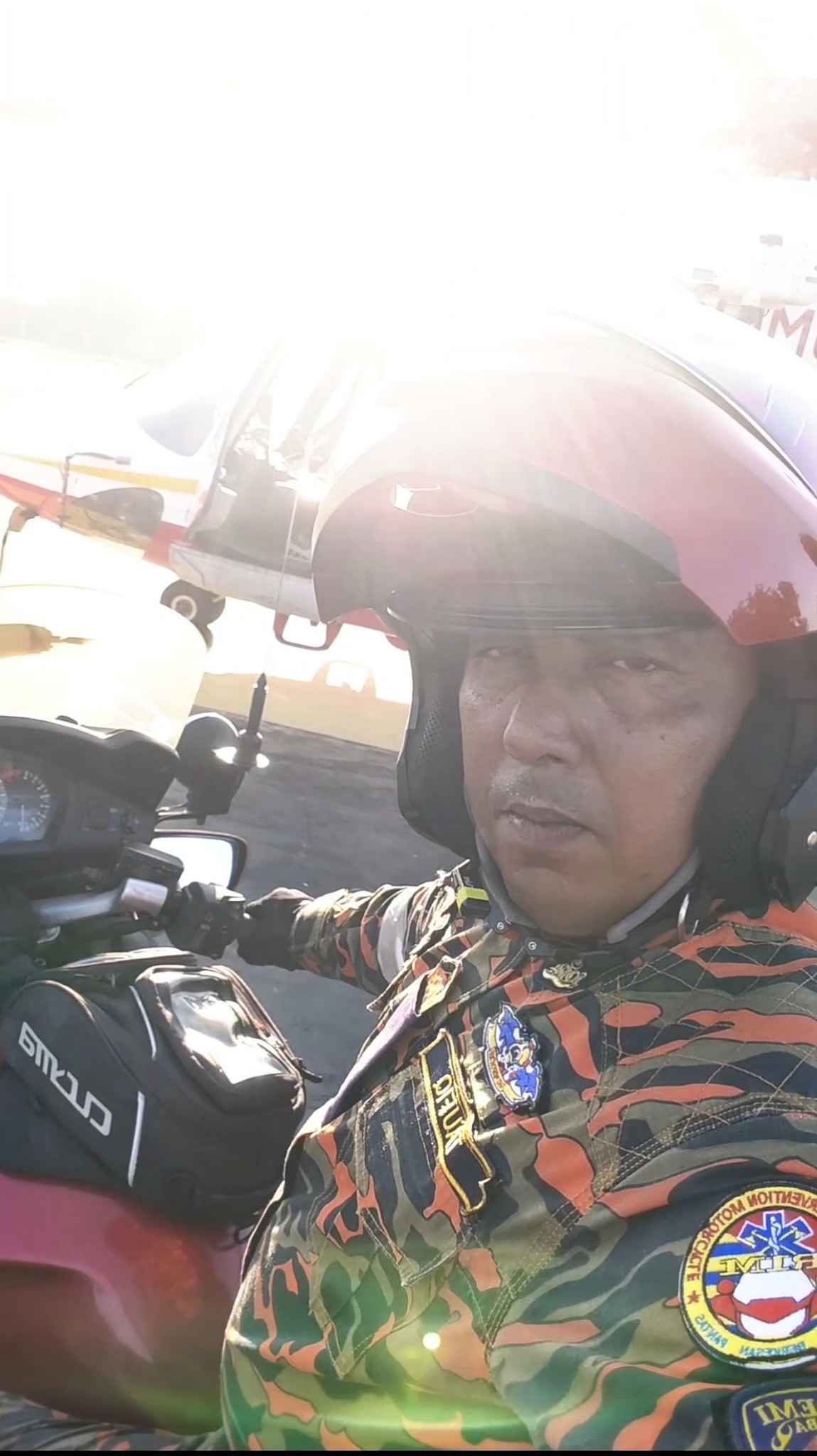
Rapid Intervention Motorcycle (RIM)
1 image
📁
Hall of Fame Folder

Rapid Intervention Motorcycle (RIM)

Emergency mobility and rapid intervention response.

0 images
📁
Hall of Fame Folder

Training

Courses, teaching and structured learning moments.

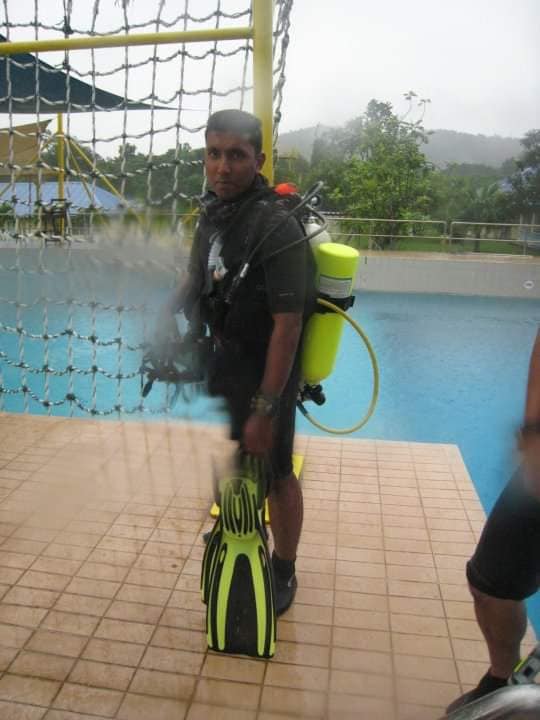
Public Safety Divers
1 image
📁
Hall of Fame Folder

Public Safety Divers

Diving readiness and public safety diver development.

Technical Rescue
19 images
📁
Hall of Fame Folder

Technical Rescue

Cave rescue, rope handling and victim movement operations.

Smokejumpers
1 image
📁
Hall of Fame Folder

Smokejumpers

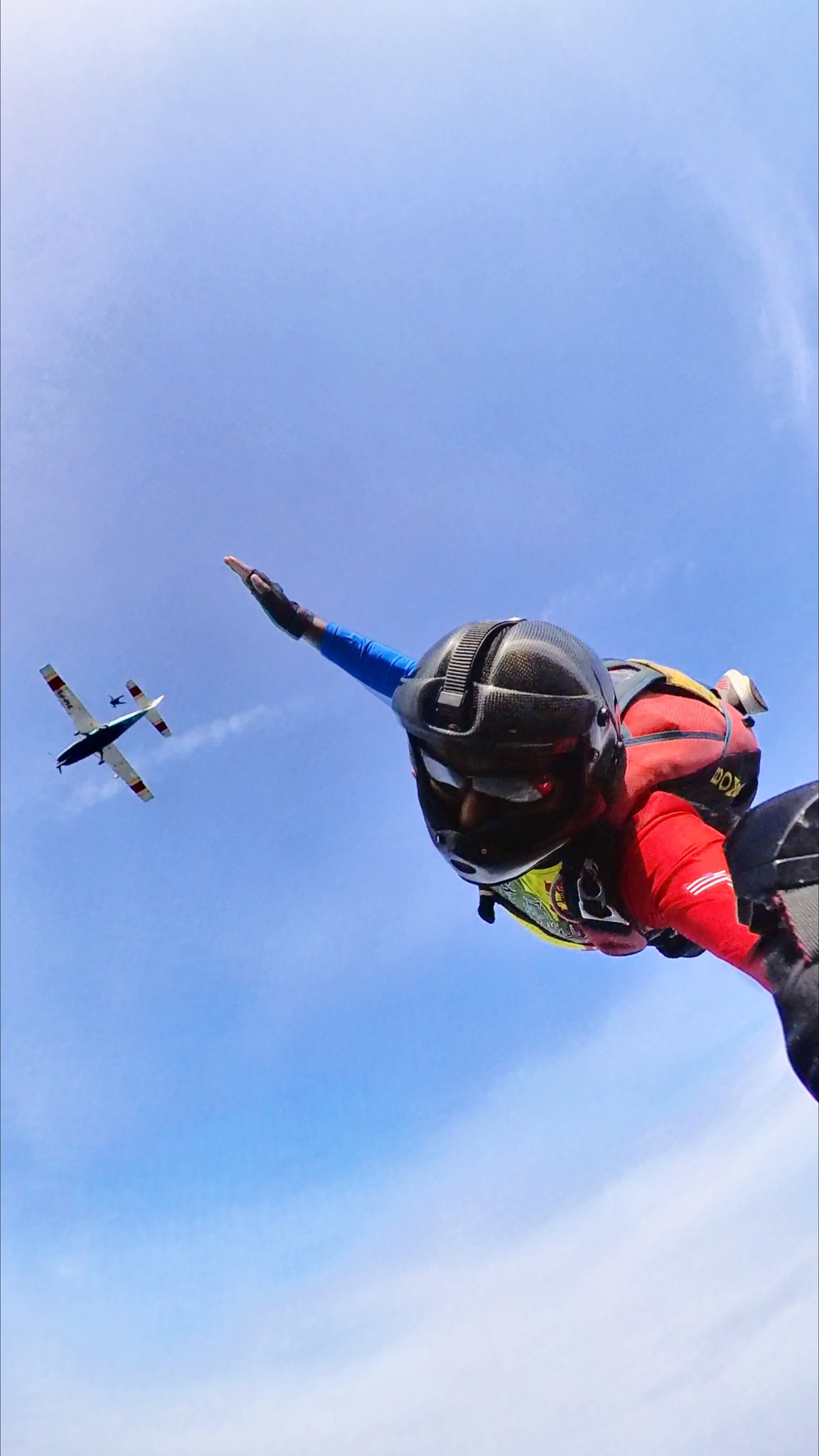
Aerial response and wildfire operational milestones.

0 images
📁
Hall of Fame Folder

HazMat & CBRNe

Hazard control, isolation and responder protection.

Hall of Fame

Album description.

Trademark Concepts & Operational Systems

🛡

A.I.F.R.T.™

Artificial Intelligence Fire & Rescue Tactics

A structured AI-assisted tactical decision framework for fire, rescue, HazMat, EV, flood, diving, and special rescue operations.

🛡

S.A.F.E.R.™

Systematic Approach to Fire, Extrication and Rescue

A road traffic incident and emergency response concept structured around safety, technique, and evaluation.

🛡

P.L.A.C.E.™

Push, Locate, Approach, Cover, Evaluate

A practical EV fire blanket protocol for EV charging station incidents and early containment actions.

🛡

S.H.I.E.L.D.™

EV User Safety Framework

A public-facing EV safety guide covering safe handling, charging, inspection, environmental responsibility, emergency protocol, and knowledge sharing.

🛡

A.I.F.S.S.™

Artificial Intelligence Fire Safety System

A proposed AI-integrated fire safety system for Malaysian fire safety guidelines, building safety, industrial safety, and emergency planning.

🛡

STEMPCHEM™

Science, Technology, Engineering, Mathematics, Physics, Chemistry

An educational structure used to connect technical fire and rescue subjects with scientific and engineering principles.

AI-Assisted Fire, Rescue, Safety & Emergency Apps

Visitors can access selected Taufiq Sparkz MyGPT apps directly from this website. These tools support EV safety, fire science, tactical response, SAR, flood safety, diving, HazMat & CBRNe, and wildland fire prediction learning.

EV & Hybrid Safety

A.I EV & Hybrid Safety 2.0

EV/hybrid safety, charging safety, battery risks and responder-oriented EV guidance.

Fire & Rescue Tactics

A.I.F.R.T. 2.0

Structured incident thinking, emergency response planning, tactical assessment and operational decision support.

Fire Science

A.I Fire Science Engineering 2.0

Fire behaviour, heat transfer, fire dynamics, engineering calculations and technical firefighting education.

Mountain SAR

A.I Mountain Search & Rescue 2.0

Mountain SAR planning, terrain assessment, search strategy, responder safety and rescue operations.

Public Safety Diving

A.I Public Safety Rescue Diving 2.0

Dive planning, underwater search, operational safety, diver risk awareness and rescue diving support.

Collapse Structure SAR

A.I Collapse Structure Search & Rescue 2.0

Collapse structure size-up, hazard identification, victim search, stabilization thinking and rescue coordination.

Cave SAR

A.I Cave Search & Rescue 2.0

Underground rescue planning, access, team safety, navigation, casualty movement and cave rescue operations.

Flood Safety

A.I Public Flood Safety

Flood preparedness, flood risk awareness, evacuation support, safety actions and community emergency information.

HazMat & CBRNe

A.I HazMat & CBRNe 2.0

Hazard recognition, isolation, protection, notification, decontamination thinking and responder safety.

Wildland Fire

A.I Wildland Fire Prediction System 2.0

Wildland fire prediction, hotspot interpretation, weather factors, fire danger indicators and planning support.

Fire • Rescue • Engineering • Technical Rescue

Tools are now grouped by section. Visitors first choose a section such as Fire Science, Hydraulics, Technical Rescue or HazMat, then open only the related calculation tool they need.

Unit: kg/s

Use material reference or custom value.

Result

Mass Loss: —

Mass Loss Rate: —

HRR = ṁ × ΔHc

Unit: megawatt (MW)

Dimensionless coefficient, usually 0.30–0.45.

Distance from fire centre.

Result

q = χ × HRR ÷ 4πr²

Unit: litres per minute.

Application duration.

Use 1 for single line.

Result

Total Water = Flow Rate × Duration × Number of Lines

Use SOP/foam standard value for fuel and hazard.

Fuel/fire surface area.

Common training duration depends on risk.

Example: 1%, 3% or 6%.

Result

Foam Solution = Application Rate × Area × Time. Concentrate = Solution × %

Building/compartment length in feet.

Building/compartment width in feet.

Fire involvement percentage.

Result

NFA Formula: Required Flow (gpm) = L × W × % involved ÷ 3

Unit: litres (L).

Unit: minutes.

Result

Flow Rate = Volume ÷ Time

Use reference or local hose coefficient.

Unit: litres/minute.

Hose length in metres.

Positive = uphill pressure loss, negative = downhill pressure gain.

Result

Total Pressure = Friction Loss + Elevation Effect. Elevation effect ≈ 0.098 bar per metre.

Hose Coefficient Reference

HoseK
1.5 inch / 38 mm0.60
2.5 inch / 65 mm0.04

Height of water column in metres.

Result

Pressure (bar) ≈ Height (m) × 0.0981

Use metric K if pressure in bar and flow in L/min.

Sprinkler operating pressure.

Result

Q = K × √P

Target sprinkler discharge.

Metric K-factor.

Result

P = (Q ÷ K)²

Combined demand flow.

Required supply duration.

Additional safety reserve percentage.

Result

Tank Capacity = Flow × Duration × (1 + Reserve%)

Length for rectangle or radius for circle.

Width for rectangle only.

Result

Rectangle: A = L × W | Circle: A = πr²

Length for box or radius for cylinder.

Width for box only.

Height/depth in metres.

Result

Box: V = L × W × H | Cylinder: V = πr²h

If mass selected, F = m × 9.81.

Contact area in square metres.

Result

P = F ÷ A

Unit: metre (m).

Unit: second (s).

Result

Speed = Distance ÷ Time

Tool converts km/h to m/s.

Training reference: 1.5 seconds.

Dry road often ~0.7–0.8; wet road lower.

Result

Stopping Distance = Reaction Distance + v²/(2μg)

Training estimate only. Road surface, slope, tyre, load, ABS and driver/rider response can change result.

Initial speed.

Final speed.

Time interval.

Result

Acceleration = (v − u) ÷ t

Power load in kW.

Operating hours.

Diesel training reference ~9.7 kWh/L.

Engine/pump efficiency estimate.

Result

Fuel = (Power × Time) ÷ (Energy Density × Efficiency)

Load in kg.

Angle between anchor legs.

Result

T = W ÷ (2 × cos θ/2)

Use kg, kN, or same unit.

Training example: 10:1 depending on system/SOP.

Result

WLL = Breaking Strength ÷ Safety Factor

Use same unit as desired output.

Safety factor multiplier.

Result

Breaking Strength = WLL × Safety Factor

% w/w or % v/v.

ATE from SDS, same exposure route.

% of mixture.

Use same ATE unit.

% of mixture.

Use same route/unit.

Result

Mixture ATE = 100 ÷ Σ(Ci / ATEi)

HazMat training reference only. Always use SDS and qualified HazMat guidance.

ppm or mg/m³. Use one unit consistently.

Hours.

Same concentration unit.

Hours.

Same concentration unit.

Hours.

Result

8-hour TWA = Σ(C × T) ÷ 8

%, M, mol/L, g/L. Use consistent units.

Same unit as C1.

mL, L or other. Result follows same volume unit.

Result

V1 = C2V2 ÷ C1

For acid dilution: add acid to water slowly. Follow chemical SOP and PPE.

Usually mol/L (M).

Usually mL.

Monoprotic acid/base normally 1.

Same volume unit as V1.

Use correct stoichiometry.

Result

C2 = C1V1n1 ÷ V2n2

Safety Disclaimer: These calculators are for education, training and planning reference only. Operational use must follow official SOP, equipment rating, competent instructor validation, safety factor, incident command decision, SDS, applicable standards and local authority requirements.

Training Modules & Learning Systems

The website can host structured training modules, bilingual notes, instructor guides, student worksheets, scenario-based exercises, risk assessments, and downloadable forms.

Road Traffic Incident Management Module

1-Day Course: Introduction and Basic Knowledge & 3-Day Course: Complete Guide to Road Traffic Incident Management

Compliance Alignment: NFPA 1091 & NFPA 1550

Road traffic incidents are among the most dynamic and high-risk emergency scenes faced by fire and rescue responders. Unlike controlled training environments, roadway incidents involve moving traffic, unstable vehicles, injured occupants, fuel or energy hazards, poor visibility, public interference, weather effects, and multi-agency coordination challenges.

For this reason, Road Traffic Incident Management must not be treated only as “vehicle rescue” or “traffic control.” It must be taught as an integrated operational discipline combining responder safety, scene control, hazard identification, traffic incident management, vehicle technology awareness, firefighting, extrication, rescue, and post-incident recovery.

1. Purpose of the Module

The main purpose of this module is to establish a systematic, safe, and competency-based approach to road traffic incident response. The training prepares responders to understand the operational environment of roadway emergencies, protect themselves from secondary collisions, manage the scene effectively, identify vehicle hazards, stabilize the incident area, conduct rescue operations, and coordinate with other agencies.

The module integrates the S.A.F.E.R.™ Concept — Systematic Approach to Fire, Extrication and Rescue — through three operational pillars:

  • Systematic Approach to Fire — vehicle firefighting, fuel hazards, EV/HEV/PHEV and hydrogen vehicle risks, battery fire behaviour, and suppression strategy.
  • Systematic Approach to Extrication — victim access, vehicle stabilization, tool selection, glass management, cutting strategy, rescue pathway creation, and victim removal.
  • Systematic Approach to Rescue — casualty handling, trauma care, coordination, communication, scene safety, and transfer of patient care.

2. Standards Compliance: NFPA 1091 and NFPA 1550

2.1 NFPA 1091 Alignment

NFPA 1091 provides professional qualification guidance for personnel who perform traffic incident management duties. For this module, NFPA 1091 is applied through traffic incident size-up, temporary traffic control, responder protection, apparatus positioning, scene communication, public control, and competency-based assessment.

NFPA 1091 PrincipleModule Application
Traffic incident size-upInitial assessment of roadway hazards, vehicle position, traffic flow, weather, visibility, and responder exposure.
Temporary Traffic Control / TTCCone placement, taper creation, warning zones, buffer zones, and traffic flow management.
Responder protectionHigh-visibility PPE, safe approach, safe positioning, and awareness of moving traffic.
Apparatus positioningUse of fire appliance as protection and blocking vehicle.
Scene communicationCoordination with police, EMS, highway authority, towing operator, and command.
2.2 NFPA 1550 Alignment

NFPA 1550:2024 covers emergency responder health and safety, including occupational safety, incident management systems, and safety officer roles. For traffic incidents, the module applies NFPA 1550 through scene safety, PPE, risk assessment, exclusion zones, responder accountability, incident command, warning devices, SOP-based response, fatigue control, and post-incident review.

3. Course Pathway 1: 1-Day Course

Introduction and Basic Knowledge to Road Traffic Incident Management

The 1-day course is designed for new responders, support personnel, drivers, auxiliary responders, trainees, and agencies requiring basic awareness of road traffic incident operations. It is not intended to produce advanced extrication specialists, but ensures every participant understands fundamental safety, hazard, and operational principles at roadway incidents.

3.1 Course Aim

To provide participants with basic knowledge and practical awareness of road traffic incident management, focusing on scene safety, hazard identification, traffic control, responder protection, vehicle hazard awareness, and basic rescue coordination.

3.2 Target Participants

Fire and rescue trainees, operational firefighters, emergency medical responders, highway response teams, safety officers, police support units, civil defence personnel, government drivers, towing and recovery operators, and emergency response volunteers.

3.3 Course Duration

1 day / 8 hours.

TimeSession
0830–0900Registration and pre-course briefing
0900–1000Introduction to Road Traffic Incident Management
1000–1100Scene Safety, Hazard and Risk Assessment
1100–1200Traffic Control, Work Zone and Responder Safety
1200–1300Vehicle Design, Construction and Technology Awareness
1400–1500Basic Vehicle Fire and Rescue Considerations
1500–1600S.A.F.E.R.™ Concept for Road Traffic Incidents
1600–1700Tabletop Scenario and Knowledge Assessment
3.4 Core Content

The 1-day course covers introduction to road traffic incident management, scene safety, hazard and risk assessment, traffic control, Work Zone safety, vehicle design and technology awareness, basic vehicle fire and rescue considerations, and S.A.F.E.R.™ concept overview.

Basic Work Zone layout:

  • Advance Warning Area — alerts approaching traffic.
  • Transition Area — moves traffic away from the incident lane.
  • Buffer Area — provides safety space before responders.
  • Work Zone — main rescue, firefighting, or extrication area.
  • Termination Area — returns traffic to normal flow.
3.5 Learning Outcomes for 1-Day Course
  • Understand the basic principles of road traffic incident management.
  • Identify common roadway incident hazards.
  • Explain basic Work Zone layout.
  • Describe the importance of apparatus blocking and warning devices.
  • Recognize basic modern vehicle hazards.
  • Explain the S.A.F.E.R.™ Concept for road traffic incidents.
  • Apply simple scene safety and traffic control principles in a tabletop scenario.

4. Course Pathway 2: 3-Day Course

Complete Guide Road Traffic Incident Management

The 3-day course is designed as a complete operational-level course for fire and rescue responders, instructors, team leaders, and personnel directly involved in traffic incident operations, vehicle firefighting, rescue, and extrication.

4.1 Course Aim

To develop competent responders capable of managing road traffic incidents safely and systematically using incident command, Work Zone control, vehicle hazard assessment, fire and rescue tactics, extrication strategy, patient handling, and multi-agency coordination in accordance with the principles of NFPA 1091 and NFPA 1550.

4.2 Course Duration

3 days / approximately 24 hours.

DayFocusKey Areas
Day 1Foundation, Safety and Traffic Incident ManagementScene approach, size-up, traffic flow, apparatus blocking, cone placement, warning, PPE, night operation awareness, and bystander control.
Day 2Vehicle Technology, Firefighting and ExtricationVehicle construction, safety systems, EV/hybrid/hydrogen awareness, stabilization, glass management, firefighting strategy, rescue pathways, and S.A.F.E.R.™ application.
Day 3Integrated Incident Management, Rescue Scenario and AssessmentIncident command, multi-agency coordination, trauma management, HazMat/EV/heavy vehicle/night operation considerations, full scenario exercise, assessment, and debrief.

5. Proposed 3-Day Course Learning Outcomes

  • Conduct structured road traffic incident size-up.
  • Establish a safe Work Zone using traffic control principles.
  • Position apparatus as a protective blocking device.
  • Apply responder safety measures based on NFPA 1550 principles.
  • Demonstrate NFPA 1091-aligned traffic incident management skills.
  • Identify hazards from conventional, hybrid, electric, and hydrogen vehicles.
  • Apply S.A.F.E.R.™ to road traffic incident decision-making.
  • Perform basic vehicle stabilization and glass management.
  • Explain vehicle firefighting strategy and rescue pathway selection.
  • Coordinate with police, EMS, highway authority, towing operators, and other agencies.

6. Practical Skill Stations

StationSkill Focus
Station 1Scene size-up and hazard identification
Station 2Work Zone setup and cone deployment
Station 3Apparatus positioning and blocking
Station 4Vehicle stabilization
Station 5Glass management
Station 6Basic victim access
Station 7Vehicle fire risk assessment
Station 8EV/Hybrid Identify–Immobilize–Disable awareness
Station 9Multi-agency command communication
Station 10Integrated road traffic incident scenario

7. Assessment Method

Assessment should include knowledge and performance evaluation through pre-test, post-test, tabletop exercise, practical skill stations, scenario exercise, instructor observation, and debrief. For the 3-day course, the practical assessment measures safety behaviour, correct PPE use, Work Zone setup, hazard recognition, communication discipline, apparatus positioning, vehicle stabilization, rescue planning, team coordination, reassessment, and evaluation.

8. Integration with S.A.F.E.R.™ Concept

S.A.F.E.R.™ ComponentApplication in Road Traffic Incident
SafetyResponder protection, Work Zone, traffic control, PPE, hazard isolation.
AssessmentVehicle type, collision type, victim condition, fire risk, energy source.
FireVehicle fire strategy, EV/HEV/PHEV/hydrogen awareness, blanket or water tactics.
ExtricationStabilization, glass management, access, disentanglement, rescue pathway.
RescuePatient care, packaging, removal, transfer, coordination with EMS.
EvaluationContinuous reassessment, debrief, lessons learned, reporting.

9. Conclusion

The Road Traffic Incident Management Module provides a structured training pathway for both introductory and complete operational learning. The 1-day course builds awareness and basic knowledge, while the 3-day course develops practical competency in scene safety, traffic control, vehicle hazard recognition, firefighting, extrication, rescue coordination, and incident command.

By aligning the module with NFPA 1091 and NFPA 1550, the training emphasizes professional qualification, responder safety, apparatus positioning, traffic control, incident management, and health and safety principles. The integration of S.A.F.E.R.™, P.L.A.C.E.™, L.A.C.E.™, and I.I.D. further enhances the module by adapting international safety principles into a practical fire and rescue operational framework.

Further Enquiries

For further enquiries regarding the Road Traffic Incident Management Module, course implementation, training coordination, module customization, or collaboration, please don’t hesitate to contact me.

Road Traffic Incident Management
EV Safety and Emergency Response
Technical Cave Rescue
Swift Water Rescue
Public Safety Diving
Hyperbaric Chamber Dive Training
HazMat & CBRNe Response
Compartment Fire Behaviour Training

Latest Writing & Knowledge Notes

Published articles are listed here. Visitors can click “Read Article” to open the full article, then click “Collapse Article” after reading.

Why Firefighters Must Be Aware Before Cutting & Spreading in Road Traffic Incident?

The Truth About Supplemental Restraint System (SRS) Safe Time in Vehicle Extrication

By Mohd Taufiq Bin Abd Sattar • Published: 17 May 2026

Section 1: A Scenario You Must Know

Imagine this: a road traffic incident has just occurred. A vehicle has crashed into a divider. Your team arrives, the scene is secured, and your rescuer positions the hydraulic cutter to begin extrication. The victim is conscious, crying for help. You move fast.

Then, without warning — BANG!!! An undeployed side airbag fires directly into your rescuer's face. Not because of the crash. Because you cut too soon.

This is not fiction. Accidental airbag deployment during rescue operations is a documented hazard in vehicle extrication worldwide. The cause? Ignoring SRS safe time after battery disconnect.

Section 2: What is SRS?

SRS stands for Supplemental Restraint System. It is the network of airbags and seatbelt pretensioners inside every modern vehicle. When a crash occurs, sensors trigger this system to protect occupants within milliseconds.

The danger for rescue teams lies in what happens after the crash. Even when the vehicle battery is disconnected, the SRS system retains electrical energy inside capacitors — enough to deploy an airbag at over 300 km/h.

SRS components that can still deploy after battery disconnect include:

  • Front airbags — driver and passenger
  • Side curtain airbags
  • Knee airbags
  • Seatbelt pretensioners
  • Roof airbags and rear airbags in luxury vehicles
  • Roll-over protection system

Section 3: The Danger — Why Timing Matters

An airbag deploys at an explosive speed of 200–300 km/h. At this velocity, direct contact is not just painful, but potentially fatal. The blast pressure alone can cause facial fractures, broken fingers, eye injuries, and in extreme cases, cardiac arrest.

This is why every fire and rescue team must follow the SRS safe waiting time after disconnecting the vehicle battery before beginning any cutting, spreading, or prying operations near airbag deployment zones.

Section 4: SRS Safe Time Quick Reference

Use this reference table to determine the appropriate waiting time based on vehicle type:

Wait TimeContext
90 SecondsMinimum wait for basic SRS discharge. Common in older vehicles, especially pre-2000 models. Suitable only for urgent rescue with no safer option.
2–5 MinutesSafer wait for modern vehicles. Required for vehicles with multiple airbags or advanced SRS. Standard for most passenger cars from 2000–2015.
5–10 MinutesBest practice for EVs, hybrids, SUVs, trucks, and luxury vehicles. Ensures fuller discharge of capacitors. Recommended for all modern EV/PHEV platforms.

Section 5: Critical Rules for Rescue Teams

Rule 1: Always Disconnect the Negative Terminal First

Disconnecting the negative terminal first prevents accidental short-circuits and reduces residual current flow to the SRS system. Never assume the positive terminal is safe to disconnect first.

Rule 2: Confirm the SRS Warning Light is OFF

After the waiting period, if the vehicle dashboard is still accessible and the SRS warning light remains ON, this indicates residual charge is still present. Extend your waiting time and do not proceed until the light goes off or access is impossible.

Rule 3: Never Cut, Pry, or Spread Near Undeployed Airbags Until Safe Time is Over

Identify airbag locations before beginning work. Refer to the vehicle's FERIC, Fire Emergency Response Information Card, or the manufacturer's emergency response guide. Keep tools and personnel away from airbag zones during the waiting period.

Section 6: Special Note — Electric & Hybrid Vehicles

Electric vehicles and hybrid vehicles present additional complexity. Beyond the SRS system, these vehicles carry high-voltage battery systems, commonly ranging from 400V to 800V, and multiple electronic control systems that may remain active even after the 12V auxiliary battery is disconnected.

For EV and hybrid incidents, Malaysia Fire & Rescue follows the I.I.D protocol:

  • I — Identify EV or Hybrid Vehicle
  • I — Immobilize Vehicle
  • D — Disable High Voltage

For EV charging station incidents, the extended P.L.A.C.E.™ protocol applies, which adds the additional step of pushing the isolation switch before approach.

Section 7: Final Thoughts

Speed is essential in rescue operations. But speed without discipline kills — sometimes the victim, sometimes the rescuer. The SRS safe time protocol is not a bureaucratic procedure. It is a life-saving discipline built on fire engineering science and hard lessons learned from rescue incidents worldwide.

Know your vehicle. Know your waiting time. Know your zones. Then act with confidence.

Stay Safe, Smart Rescue.
Utamakan Keselamatan. Menyelamat Dengan Bijak.

This article content has not been published yet. Once ready, it can be inserted here under the Articles section.

This article content has not been published yet. Once ready, it can be inserted here under the Articles section.

This article content has not been published yet. Once ready, it can be inserted here under the Articles section.

Super El Niño and Malaysia's Fire & Rescue Frontline

A STEMPCHEM™ Framework for Predictive Climate-Disaster Resilience

By Mohd Taufiq bin Abd Sattar

Malaysia Fire and Rescue Academy, Eastern Region, Marang, Terengganu

Abstract

Super El Niño events represent one of the most consequential climate-driven threats facing Malaysia's fire and rescue services in the twenty-first century. Prolonged drought, intensified wildfires, recurring peat fires, transboundary haze, water-supply stress, and elevated heat exposure for responders are no longer episodic disturbances-they are converging operational realities. This article examines the implications of Super El Niño from a Malaysian fire and rescue operational standpoint and proposes an integrated predictive-modelling approach built on the STEMPCHEM framework (Science, Technology, Engineering, Mathematics, Physics, Chemistry). By aligning climate science with artificial-intelligence forecasting, fire engineering, and field-level tactical doctrine, the framework offers a multidisciplinary pathway toward proactive, intelligence-led emergency management.

1. Introduction

Climate anomalies are reshaping the operational landscape of every fire and rescue service in the tropics, and Malaysia is no exception. As the planet warms and the El Niño-Southern Oscillation (ENSO) intensifies, the country is increasingly exposed to a category of climate event whose impact compounds rather than recedes: the Super El Niño.

During strong and Super El Niño phases, Malaysia routinely experiences prolonged drought, reduced rainfall, elevated ambient temperature, intensified wildfire and peat fire activity, recurring haze episodes, water-resource stress, and escalating demand on emergency response agencies. Each of these hazards alone tests operational capacity. Together, they threaten to overwhelm it.

This article advances a structured response to that challenge. It analyses the implications of Super El Niño through a Malaysian fire and rescue lens and proposes a predictive-modelling architecture grounded in the STEMPCHEM™ framework:

S — Science

T — Technology

E — Engineering

M — Mathematics

P — Physics

CHEM — Chemistry

Together, these six disciplines provide a coherent platform for integrating climate science, wildfire prediction, atmospheric monitoring, AI-assisted modelling, and operational decision-making an integration Malaysia will need if it is to stay ahead of the next extreme climate cycle.

2. Understanding Super El Niño

2.1 What Defines a Super El Niño

Super El Niño refers to an exceptionally strong warming phase of ENSO, marked by anomalous heating of sea-surface temperatures (SST) in the equatorial Pacific Ocean. This warming alters atmospheric circulation, weakens the trade winds, redistributes rainfall, and reorganises global heat transfer. Scientifically, events are commonly classified as "Super" when the Niño 3.4 SST anomaly exceeds approximately +2.0 °C.

The defining anomaly is calculated as:

SST_anomaly = SST_observed - SST_average
2.2 ENSO Influence on Malaysia

Malaysia sits within one of the most ENSO-sensitive corridors on Earth. During El Niño phases, the country consistently experiences reduced rainfall, increased land-surface temperature, amplified urban heat-island effects, lower humidity, deteriorating air quality, and elevated hotspot formation. Domestic research has documented significant correlations between ENSO indices and temperature anomalies, an inverse relationship between ENSO intensity and rainfall, and measurable urban heat amplification during El Niño years.

The regions most exposed to these effects are peatland areas, forest reserves, agricultural zones, grasslands, and outdoor industrial storage sites-precisely the landscapes where the operational burden on fire and rescue agencies is greatest.

3. Fire & Rescue Implications in Malaysia

3.1 Increased Wildfire Frequency

Super El Niño substantially raises wildfire probability. Vegetation desiccates, fuel moisture drops, dry periods lengthen, and radiant heat exposure climbs. As ignition thresholds fall, even routine ignition sources like a discarded cigarette, an agricultural burn, a roadside spark-can trigger fast-moving fires.

For Malaysia's fire and rescue services, the operational consequences are direct and cumulative: more frequent deployments, longer suppression durations, faster resource exhaustion, earlier mutual-aid activation, and tighter inter-agency coordination demands. Fire crews increasingly fight not one incident at a time, but several across a region simultaneously.

3.2 Peat Fire Escalation

Peat fires are arguably the most hazardous fire signature of an El Niño year in Malaysia. Selangor, Pahang, Johor, Sarawak, and Sabah all carry substantial peat-fire risk. Unlike surface fires, peat fires burn underground, produce long-duration smoke, reignite repeatedly, demand vast quantities of water, and are a primary driver of regional haze events.

The physics of peat combustion is unforgiving. Heat moves by conduction through dense underground fuel layers, smouldering combustion sustains itself in oxygen-limited conditions, and thermal energy penetrates deep below the surface. The fundamental heat-transfer relationship is:

Q = mcΔT
where Q is heat energy, m is fuel mass, c is specific heat capacity, and ΔT is the temperature change. In peat, m and c are both substantial and that is precisely why these fires resist suppression.
3.3 Water-Supply Crisis

During Super El Niño events, reservoir levels fall, rural water access tightens, hydrant pressures can weaken, and open water sources become scarce. Each of these has a direct operational footprint: structural firefighting, wildland suppression, relay pumping, and tanker shuttle operations all depend on reliable water. When supply contracts, tactics must adapt.

Fire and rescue agencies must therefore plan strategically: pre-positioning water tankers, identifying alternative drafting points, deploying mobile reservoir systems, and instituting water-conservation tactics on the fireground. Drought planning has become as central to readiness as equipment maintenance.

3.4 Heat Stress Among Firefighters

Rising ambient and wet-bulb temperatures during Super El Niño place firefighters under accelerating physiological load. Wearing PPE, SCBA, or wildland gear in extreme heat increases the risk of heat exhaustion, dehydration, cardiovascular strain, cognitive degradation, and decision-making fatigue. None of these are abstract concerns each one directly shapes scene safety, tactical efficiency, and command effectiveness.

Heat stress mitigation-structured, work-rest cycles, hydration protocols, rehabilitation sectors, and continuous physiological monitoring must be treated as a tactical priority on every protracted incident during dry-season operations.

3.5 Air Quality and Haze Operations

Peat fires and large-scale wildland combustion during El Niño produce significant atmospheric pollution, including PM2.5, carbon monoxide, volatile organic compounds, and a spectrum of other toxic combustion products. The downstream effects extend well beyond the fireground: public health deteriorates, visibility drops, aviation is disrupted, road traffic safety degrades, and outdoor rescue operations become more hazardous. The World Health Organization recognises ENSO as a major contributor to climate-related health emergencies, and Malaysia's haze experience consistently confirms it.

4. The STEMPCHEM™ Predictive Modelling Framework

The STEMPCHEM™ framework integrates six scientific disciplines into a single predictive architecture for climate-driven fire risk. It is designed to bridge what has traditionally been a gap between high-level climate forecasting and ground-level operational decision-making.

4.1 S — Science: Climate Integration

The scientific layer assembles the core variables that govern El Niño behaviour and its onshore consequences: SST anomaly, the Oceanic Niño Index (ONI), the Southern Oscillation Index (SOI), relative humidity, rainfall anomalies, and fuel-moisture content. Continuous monitoring of these variables enables early drought forecasting, seasonal hotspot prediction, and heatwave anticipation the upstream signals from which all downstream operational planning flows.

4.2 T — Technology: AI and Remote Sensing

Technology delivers the observational backbone. Satellite hotspot detection, UAV thermal surveillance, GIS mapping, IoT-based weather sensors, and AI-driven forecasting form an integrated sensing layer that can be coupled with national and international data sources-NASA FIRMS, MetMalaysia, Remote Automated Weather Stations (RAWS), and MODIS thermal imagery among them. Deep-learning systems trained on these data streams can identify fire-prone regions, drought intensification trends, and vegetation-stress signatures long before they manifest as ignitions.

4.3 E — Engineering: Fire Engineering Application

Engineering translates prediction into infrastructure. Hydrant reliability, water logistics, firebreak design, wildfire containment barriers, and pumping-system redundancy all sit within its scope. Simulation engineering computational fluid dynamics (CFD) for wildfire spread, heat-flux modelling, ember-transport prediction, and terrain-aware fire-dynamics analysis provides the testbed in which strategy is refined before crews ever leave the station.

4.4 M — Mathematics: Predictive Fire Spread

Mathematics quantifies what science observes. Predictive models estimate fire-spread velocity, heat-release rates, drought severity, and operational risk scores. A simplified rate-of-spread relationship captures the core dynamic:

ROS ∝ Wind Speed × Fuel Availability × Temperature
Where ROS denotes the Rate of Spread. From this kind of relationship, more refined models build the dynamic risk surfaces on which deployment decisions ultimately rest.
4.5 P — Physics: Fire Behaviour

Physics governs the fire itself. Super El Niño directly modifies thermal radiation, convective heating, fuel-ignition thresholds, and atmospheric instability. Physics-based analysis brings rigour to the modelling of heat flux, flame propagation, wind-driven fire behaviour, and smoke-layer transport. Radiant heat flux is a primary driver of fire spread and firefighter exposure is described by the Stefan–Boltzmann relationship:

q″ = σ ε T⁴
where q″ is radiant heat flux, σ is the Stefan-Boltzmann constant, ε is emissivity, and T is absolute temperature. The fourth-power dependence on temperature is what makes a hotter, drier El Niño season so disproportionately dangerous.
4.6 CHEM — Chemistry: Combustion and Atmosphere

Chemistry closes the loop. Super El Niño amplifies biomass combustion, carbon release, toxic gas production, and atmospheric particulate concentrations. The dominant combustion products CO₂, CO, NOₓ, VOCs, and PM2.5, each carry distinct toxicity profiles and atmospheric behaviours. Chemical analysis supports toxicity assessment, respiratory-risk evaluation, haze modelling, and environmental contamination studies, linking what burns on the ground to what populations breathe downwind.

5. AI-Based Predictive Modelling for Malaysia

A Malaysian implementation of the STEMPCHEM™ framework can be organised as a five-stage operational workflow:

Step 1 — Climate Monitoring

Collect ONI, SOI, SST anomaly, and rainfall-deficit indicators continuously from national and international sources.

Step 2 — Environmental Mapping

Analyse vegetation dryness, peat moisture content, and land-surface temperature across the country to produce a real-time exposure map.

Step 3 — Fire Risk Scoring

Generate district-level wildfire risk maps and dynamic hotspot probability layers that update as conditions evolve.

Step 4 — Operational Forecasting

Translate risk into requirements: anticipated resource demand, water-consumption projections, and personnel-deployment models.

Step 5 — Tactical AI Support

Integrate predictive intelligence with operational frameworks such as A.I.F.R.T.™ (Artificial Intelligence Fire & Rescue Tactics) and a Wildfire Predictive Intelligence platform, supported by UAV thermal reconnaissance for real-time field validation.

6. Integration with Malaysia Fire & Rescue Operations

The Malaysia Fire and Rescue Department (JBPM) stands to benefit directly from a system of this kind. Predictive intelligence can support seasonal preparedness, hazard zoning, pre-positioning of water tankers, air-quality emergency planning, and the activation of interstate mutual aid activities that today rely heavily on reactive judgement.

Operationally, the system can deliver a small set of high-value outputs: a daily wildfire danger index, a dynamic heat-risk map, peat-fire prediction zones, and an operational readiness dashboard. Each of these reduces uncertainty for incident commanders and gives strategic planners earlier, sharper situational awareness.

7. Future Direction

Looking ahead, Malaysia should consider developing a national AI wildfire prediction system, ENSO-integrated fire danger modelling, real-time environmental intelligence platforms, and multi-agency climate emergency coordination mechanisms. These align directly with the country's climate adaptation strategy, its national disaster resilience agenda, and the broader push toward smart emergency management. They also position the fire and rescue services not merely as responders, but as climate-resilient frontline institutions.

8. Conclusion

Super El Niño is one of the most significant climate-related operational threats facing Malaysia's fire and rescue ecosystem. Its compounding effects as drought, wildfire escalation, peat combustion, heat stress, water shortages, and haze emergencies, generate emergency-response challenges of a complexity earlier generations of firefighters did not face.

The STEMPCHEM™ framework offers a structured, multidisciplinary response. By integrating climate science, predictive modelling, fire engineering, AI intelligence, and operational strategy, Malaysia can move from a reactive posture toward a proactive disaster-management system the one which capable of anticipating Super El Niño impacts and mitigating them before they overwhelm the front line. The technology, the science, and the operational doctrine already exist. What remains is the integration and the institutional will to build it.

Flammability and Combustibility Limits: A Critical Framework for Fire Science and Modern Emergency Response

By : Mohd Taufiq Bin Abd Sattar

Abstract

The Lower Flammability Limit (LFL), Upper Flammability Limit (UFL), and stoichiometric mixture are foundational concepts in fire science, governing whether a fuel–air mixture will ignite, sustain combustion, or detonate. While these limits appear universally in fire safety references such as NFPA 325 and the International Fire Code (IFC), they are frequently treated as fixed constants,a misconception that has direct operational consequences. In reality, flammability and combustibility limits are conditional values, dependent upon ambient temperature, pressure, and oxygen concentration. This article re-examines these concepts through the STEMPCHEM™ lens integrating Science, Technology, Engineering, Mathematics, Physics, and Chemistry, and explores their operational implications for firefighting, hazardous materials (HazMat) response, electric vehicle (EV) fire incidents, hyperbaric environments, and confined space operations. The intent is to equip fire instructors, emergency responders, and researchers with a deeper, mechanism-based understanding rather than table-lookup familiarity.

Keywords: Flammability limit, combustibility limit, LFL, UFL, stoichiometric mixture, limiting oxygen concentration, ignition, vapour cloud explosion, fire science, STEMPCHEM™.

1. Introduction

Every flammable substance possesses a specific range of fuel–air concentrations within which combustion can occur. This range, bounded below by the Lower Flammability Limit (LFL) and above by the Upper Flammability Limit (UFL), is one of the most cited yet least critically examined parameters in fire science.

A common but misleading assumption is that LFL and UFL values listed in reference tables are absolute constants. They are not. The tabulated values are reported at standard reference conditions, typically 25 °C (or 20 °C), 1 atmosphere, and a normal atmospheric oxygen content of approximately 20.9 %. When any of these parameters deviate, the flammable envelope itself shifts.

This distinction is not academic. It governs the difference between a safe entry into a confined space and a fatal flash fire, between a controlled EV battery fire and a vapour cloud explosion (VCE), and between a stable hyperbaric chamber and a catastrophic enriched-oxygen ignition event.

2. Flammability versus Combustibility: A Terminological Clarification

The terms flammable and combustible are often used interchangeably, but they carry distinct technical meanings under most regulatory frameworks:

CategoryFlash Point (NFPA 30)Examples
Flammable liquid< 37.8 °C (100 °F)Petrol, acetone, ethanol
Combustible liquid≥ 37.8 °C (100 °F)Diesel, kerosene, vegetable oils

Both categories possess flammability limits when their vapours are produced and mixed with air. However:

A flammable substance can readily release ignitable vapours at ambient temperature.

A combustible substance must first be heated above its flash point before sufficient vapour is generated to fall within its flammability range.

This is why a pan of cooking oil at room temperature poses no ignition risk, but the same oil at 300 °C will ignite spontaneously, its vapour concentration finally enters the flammable envelope, and its temperature exceeds its auto-ignition point.

3. The Three Defining Concentrations

3.1 Lower Flammability Limit (LFL)

The Lower Flammability Limit is defined as the minimum concentration of vapour or gas of a flammable substance, mixed with air (containing approximately 21 % oxygen), within an open or confined space at a specified temperature and pressure, that can still sustain combustion when exposed to an ignition source.

Below the LFL, the mixture is described as “too lean to burn”, there are insufficient fuel molecules in proximity to one another to propagate a flame front, regardless of how energetic the ignition source may be.

3.2 Upper Flammability Limit (UFL)

The Upper Flammability Limit is the maximum concentration above which combustion cannot be sustained because the oxygen available is insufficient relative to the fuel present. Above the UFL, the mixture is “too rich to burn.” Critically, an above-UFL mixture is not safe, when diluted with fresh air (for example, when a fire crew opens a closed compartment containing accumulated fuel vapour), its concentration can fall back into the flammable range, producing a delayed flashback or backdraft.

3.3 Stoichiometric (Ideal) Mixture

The stoichiometric or ideal mixture represents the chemically perfect fuel-to-air ratio at which all fuel molecules react with all available oxygen molecules, with no excess of either reactant. At this point:

Flame temperature reaches its maximum

Flame propagation velocity is highest

Explosion overpressure is greatest, the most destructive condition in a vapour cloud explosion scenario

The internal combustion engine illustrates this concept clearly. The stoichiometric air–fuel ratio for petrol is 14.7 : 1 by mass, corresponding to lambda (λ) = 1.0. Modern engines deliberately operate close to this ratio under most conditions to balance power, efficiency, and emissions.

4. Representative Flammability Data

The following values are reported at standard conditions (NFPA 325):

SubstanceLFL (% vol)UFL (% vol)Stoichiometric (% vol)
Methane (CH₄)5.015.09.5
Propane (C₃H₈)2.19.54.0
Petrol vapour1.47.6~1.7
Hydrogen (H₂)4.075.029.5
Acetylene (C₂H₂)2.5100.07.7
Carbon monoxide (CO)12.574.029.5

The exceptionally wide flammability ranges of hydrogen and acetylene are why these gases are classified as extreme explosion hazards. This carries direct relevance to lithium-ion battery thermal runaway, where hydrogen is among the principal off-gassed species and placing EV fires squarely within an extreme explosion-risk profile.

5. The Conditional Nature of Flammability Limits

The most important and most often neglected principle is that LFL and UFL values are not invariant. They shift as a function of three environmental parameters.

5.1 Effect of Temperature

As ambient temperature rises:

LFL decreases (less fuel is needed to ignite, because the mixture is closer to its auto-ignition energy threshold)

UFL increases

The flammable range therefore widens

This is why a fuel that is safe at 20 °C may be hazardous at 60 °C, even without any additional vapour generation. Solar-heated storage tanks, engine compartments, and EV battery enclosures during thermal events all fall under this concern.

5.2 Effect of Pressure

At elevated pressure:

UFL increases significantly

LFL is less affected but generally decreases slightly

The flammable range therefore widens

This carries particular importance for compressed natural gas (CNG) systems, liquefied petroleum gas (LPG) installations, and pressurized hydrogen storage. A leak from a high-pressure line creates not only a wider envelope of flammability but also a higher-energy ignition condition.

5.3 Effect of Oxygen Concentration

This is the parameter most directly relevant to operational fire and rescue practice. The standard definition of LFL and UFL assumes a normal air composition of approximately 21 % oxygen.

In oxygen-deficient atmospheres (such as nitrogen-inerted tanks), no fuel concentration can sustain combustion and the flammable envelope collapses entirely.

In oxygen-enriched atmospheres (such as hyperbaric chambers operating on oxygen-rich treatment tables, or pure-oxygen medical environments), LFL decreases significantly and the range widens dramatically. Materials normally considered non-flammable, such as cotton, paper, and certain metals can ignite from minor friction or electrical sparks.

This last point cannot be overstated. The single greatest fire risk in a hyperbaric facility is not the presence of fuel, but the elevated partial pressure of oxygen, which fundamentally rewrites the flammability behaviour of every material inside the chamber.

6. Limiting Oxygen Concentration (LOC)

The natural extension of the oxygen-dependency principle is the concept of Limiting Oxygen Concentration (LOC), also known as the Minimum Oxygen Concentration (MOC). The LOC is the lowest oxygen concentration at which combustion is possible, irrespective of fuel concentration. For most hydrocarbons, the LOC lies between 10 % and 12 % oxygen by volume.

Below the LOC:

Combustion cannot occur, even if the fuel concentration falls within its normal LFL–UFL range

Even an active ignition source cannot initiate sustained burning

The LOC underpins several major fire protection strategies:

Inerting of fuel tanks and process vessels with nitrogen or carbon dioxide

Total flooding systems using CO₂ in engine rooms, server halls, and machinery spaces

Confined space entry assessment, which is why a 4-gas detector measures O₂ as well as LEL

In operational practice, the LOC reinforces a fundamental truth: suppression of fire requires either removal of fuel, removal of heat, or most often in modern engineered systems, dilution of oxygen below the LOC.

7. Operational Applications

7.1 Hazardous Materials (HazMat) Response

Gas monitoring meters used in HazMat operations typically report concentration as a percentage of the LFL (“% LEL”). The standard action thresholds are:

10 % LEL - investigation threshold; ventilation initiated

20 % LEL - evacuation threshold; ignition sources eliminated

> 25 % LEL - withdrawal threshold; no entry without full protective measures

These thresholds incorporate a built-in safety factor. They acknowledge that meter accuracy varies, that mixtures may be heterogeneous, and that local concentrations near a leak may significantly exceed the average reading.

7.2 Electric Vehicle Battery Thermal Runaway

EV battery thermal runaway produces a complex off-gas mixture comprising hydrogen, carbon monoxide, methane, ethane, ethylene, and electrolyte vapours such as dimethyl carbonate. Inside a sealed battery enclosure, these gases can rapidly accumulate to concentrations exceeding the UFL, a “too rich” state.

The operational hazard arises when:

The vehicle's bodywork is breached during overhaul or extrication, or

Heat causes the enclosure to vent or rupture

In both cases, the gas mixture mixes with ambient air and its concentration falls back into the flammable range. The result is a delayed flashback or vapour cloud explosion, potentially several minutes after the initial event. This is one of the primary tactical concerns addressed by the P.L.A.C.E.™ Protocol and the L.A.C.E.™ procedure currently practised by the Malaysia Fire and Rescue Department for EV incident response.

7.3 Confined Space Operations

A confined space presents the worst-case scenario for flammability hazard accumulation. Unlike open environments, where dispersion limits the build-up of vapour, a confined space allows fuel concentration to:

Reach LFL quickly

Stratify by density (heavier-than-air vapours pool at the floor, lighter-than-air gases collect at the ceiling)

Remain ignitable for extended periods after the source is removed

Effective entry procedure therefore requires simultaneous monitoring of oxygen, LEL, carbon monoxide, and hydrogen sulphide, a four-gas standard that reflects the multifactorial nature of the hazard.

7.4 Hyperbaric and Diving Medical Environments

In a hyperbaric oxygen therapy (HBOT) chamber operating at elevated partial pressures of oxygen, the flammability landscape changes in ways that are easy to underestimate:

Standard fire safety rules trained for normal atmospheres no longer apply

Materials introduced into the chamber must be rigorously assessed for ignition risk

Electrical equipment must be intrinsically safe and certified for oxygen-rich environments

Patient clothing, bedding, and personal items are tightly regulated

A historical review of hyperbaric chamber fires reveals that virtually every incident has involved either an electrical ignition source or an introduced static-charge generator (synthetic textiles, certain plastics) combined with the oxygen-enriched atmosphere. The fuel was rarely the variable that changed the oxygen was.

8. Discussion: Why a Mechanism-Based Understanding Matters

Fire instructors and emergency responders are often taught flammability limits as a memorization exercise: methane is 5-15, hydrogen is 4-75, petrol is 1.4-7.6. While this familiarity has value, it is incomplete. A responder who understands only the numbers may be unprepared when:

A tank fire at elevated temperature ignites at a vapour concentration below the expected LFL

A pressurized gas leak produces a wider flammable cloud than tabulated values suggest

An EV battery vent stream proves more reactive than methane-based intuition implies

An oxygen-enriched environment makes ordinary materials behave unpredictably

A mechanism-based understanding need to be grounded in the chemistry of pre-mixed flames, the physics of vapour transport, and the engineering reality of operational environments, allows responders to anticipate hazard behaviour rather than merely recognize it after the fact. This is the philosophical foundation of the STEMPCHEM™ framework, and the rationale for treating LFL and UFL not as static numbers but as dynamic, conditional values.

9. Conclusion

The Lower Flammability Limit, Upper Flammability Limit, and stoichiometric mixture are far more than tabulated constants. They are conditional parameters that respond to temperature, pressure, and most critically to oxygen concentration.

Modern operational environments such as electric vehicles, pressurized energy systems, hyperbaric medical facilities, confined process spaces, routinely operate at conditions that depart from the standard reference state.

A fire science practitioner who understands the mechanism of flammability behaviour, rather than only its standard-condition values, is significantly better equipped to anticipate, prevent, and respond to ignition events.

Future fire safety education, particularly within Southeast Asia's expanding EV and renewable energy sectors, must therefore incorporate the conditional nature of flammability limits as a foundational principle, not a footnote.

References

National Fire Protection Association. NFPA 325: Guide to Fire Hazard Properties of Flammable Liquids, Gases, and Volatile Solids. NFPA, Quincy, MA.

National Fire Protection Association. NFPA 30: Flammable and Combustible Liquids Code. NFPA, Quincy, MA.

National Fire Protection Association. NFPA 99: Health Care Facilities Code (hyperbaric facility provisions). NFPA, Quincy, MA.

Drysdale, D. An Introduction to Fire Dynamics, 3rd ed., Wiley, 2011.

Crowl, D. A., and Louvar, J. F. Chemical Process Safety: Fundamentals with Applications, 4th ed., Pearson, 2019.

Zabetakis, M. G. Flammability Characteristics of Combustible Gases and Vapors. Bulletin 627, U.S. Bureau of Mines, 1965.

International Code Council. International Fire Code (IFC). ICC, current edition.

U.S. Navy. U.S. Navy Diving Manual, Rev. 7. Naval Sea Systems Command.

Undersea and Hyperbaric Medical Society (UHMS). Hyperbaric Oxygen Therapy Indications, current edition.

Human Performance Assessment in

Hyperbaric Chamber Dive Training

Integrating Task Execution (TE)™, the Cognitive Degradation Index (CDI)™, and the Narcosis Risk Score (NRS)™

By Mohd Taufiq Bin Abd Sattar

Hyperbaric Facility, Malaysia Fire and Rescue Academy (Eastern Region), Terengganu, Malaysia

Abstract

Hyperbaric chamber dive training has traditionally emphasised pressure adaptation, equalisation technique, and operational familiarisation. Modern public safety diving, however, demands a fuller understanding of how divers perform under pressure. Physical capability alone is insufficient: cognitive function, decision-making ability, communication effectiveness, and operational reliability must also be evaluated.

This article presents an integrated human-performance assessment framework built on three complementary models, the Task Execution (TE) model, the Cognitive Degradation Index (CDI), and the Narcosis Risk Score (NRS). Applied across chamber exposures of 10 m, 15 m, 18 m, and 20 m, the framework gives instructors measurable indicators of performance quality, cognitive stability, and narcosis risk. It supports objective assessment, strengthens safety management, and provides a structured foundation for future integration with the Artificial Intelligence Fire & Rescue Tactics (A.I.F.R.T.™) system.

Keywords: Hyperbaric chamber; public safety diving; Task Execution; Cognitive Degradation Index; Narcosis Risk Score; human performance assessment; A.I.F.R.T.™

1. Introduction

Pressure exposure affects more than the body's physiological systems. As ambient pressure rises, divers experience changes in breathing resistance, gas density, workload, and cognitive performance. Even within relatively shallow operational depths, subtle degradation of attention, reaction time, and decision-making can occur.

Historically, diver evaluation has focused on task completion, equalisation ability, gas management, and medical fitness. These indicators matter, but they do not explain why two divers performing the same task at the same depth can produce markedly different outcomes.

Human-performance research shows that operational effectiveness is shaped by several interacting factors - physiological adaptation, cognitive workload, stress response, fatigue, communication quality, and environmental conditions. To capture these dimensions, the Fire and Rescue Hyperbaric Facility developed three complementary assessment models:

Task Execution (TE) - operational performance under pressure;

Cognitive Degradation Index (CDI) - decline in mental performance;

Narcosis Risk Score (NRS) - likelihood and severity of inert-gas/cognitive impairment.

Together, these models let instructors evaluate not only whether a task was completed, but how effectively, safely, and reliably it was performed.

2. Task Execution (TE)™ Model

The Task Execution model measures the quality of operational performance under increased ambient pressure. Unlike pass-or-fail assessment, TE grades performance across several domains: accuracy, speed, procedural compliance, communication, teamwork, equipment handling, and situational awareness.

LevelCharacteristicsOperational impact
TE 1 - ExcellentAccurate execution, smooth workflow, excellent communication, minimal errors, strong confidence.Mission-ready performance; reliable under pressure.
TE 2 - GoodMinor hesitation, slight delay, small procedural corrections.Effective performance; low operational risk.
TE 3 - ModerateNoticeable errors, slower task completion, reduced coordination.Functional but increased supervision required.
TE 4 - PoorSignificant mistakes, poor communication, breakdown of task sequence.High operational risk; not yet deployable.

3. Cognitive Degradation Index (CDI)™

The Cognitive Degradation Index measures the decline in mental performance associated with pressure exposure and rising workload. It tracks attention, memory, decision-making, problem-solving, reaction time, and situational awareness.

CDI matters because many incidents occur not from a lack of technical skill, but because cognitive performance deteriorates before physical performance does. Early indicators include slower responses, forgetfulness, repeated questions, poor judgment, and a reduced attention span.

LevelCharacteristicsOperational impact
CDI 1 — OptimalSharp awareness, excellent recall, rapid decision-making.Maximum effectiveness.
CDI 2 — GoodSlight increase in mental workload; minor concentration reduction.Safe operational capability.
CDI 3 — ModerateSlower information processing; increasing mental fatigue.Performance monitoring required.
CDI 4 — PoorConfusion, decision-making errors, reduced situational awareness.Significant operational concern.
CDI 5 — CriticalSevere cognitive impairment; unreliable decision-making.Immediate intervention required.

4. Narcosis Risk Score (NRS)™

The Narcosis Risk Score estimates the probability and severity of inert-gas narcosis and associated cognitive impairment during pressure exposure. Contributing factors include pressure, gas density, carbon-dioxide retention, breathing workload, fatigue, stress, and exposure duration.

Interpretation at training depths. Classical nitrogen narcosis is minimal at 10-20 m and becomes clinically noticeable only at greater depth (around 30 m / 4 ATA and beyond). At chamber training depths the NRS therefore functions chiefly as a recognition-training tool and as a combined index of carbon-dioxide retention, breathing workload, fatigue, and stress, rather than as a measure of significant nitrogen narcosis. This framing keeps the model honest while still developing the diver's ability to recognise impairment early.

LevelIndicatorsRecommended response
NRS 1 — Very LowClear thinking, normal judgment, stable behaviour.Continue; routine monitoring.
NRS 2 — LowSlight slowing of thought; mild distraction.Continue; maintain awareness.
NRS 3 — ModerateReduced concentration; delayed decision-making.Reduce workload; verify communication; monitor closely.
NRS 4 — HighConfusion, tunnel-vision thinking, impaired judgment.Reduce depth/workload; prepare to terminate exposure.
NRS 5 — Very HighSevere mental impairment; high likelihood of critical errors.Terminate exposure; controlled ascent per protocol.

5. Integrated Human-Performance Framework

The framework's real value emerges when TE, CDI, and NRS are read together, because each measures a different aspect of diver performance:

ModelWhat it measures
TETask performance — how effectively the work is done.
CDICognitive state — mental readiness and clarity.
NRSNarcosis risk — likelihood of pressure-related impairment.
Integrated Interpretation Matrix

To convert three separate scales into a single decision, the framework applies a weakest-link rule: the diver's overall status is governed by the worst individual sub-score. This conservative approach reflects standard safety practice - a strong score in one dimension does not offset a critical weakness in another.

Overall statusTrigger (worst sub-score)Recommended action
GREEN - Mission ReadyTE 1–2 • CDI 1–2 • NRS 1–2Proceed with the task; routine supervision.
AMBER - CautionAny sub-score = 3 (TE 3 / CDI 3 / NRS 3)Continue with enhanced supervision; reduce workload, confirm communication, reassess at the next interval.
RED - InterveneAny of TE 4 / CDI 4–5 / NRS 4–5Halt the task; begin controlled ascent or decompression per protocol; re-evaluate fitness before continuing.

Example: a diver scoring TE 2, CDI 3, NRS 2 is rated AMBER overall — the task continues under enhanced supervision because the cognitive sub-score has reached the caution threshold, even though task execution and narcosis risk remain good.

6. Integration with A.I.F.R.T.™

The next stage of diver assessment is artificial-intelligence-assisted monitoring. Within the A.I.F.R.T.™ framework, live and recorded inputs - heart rate, SpO₂, task-completion times, error frequency, and the CDI and NRS scores - can be combined to deliver real-time performance assessment, early-warning alerts, predictive risk analysis, and data-driven training optimisation.

This integration transforms hyperbaric chamber training from a subjective grading exercise into a measurable, evidence-based performance system, with the Integrated Interpretation Matrix serving as the rule set that an automated monitor can apply consistently.

7. Benefits for Fire & Rescue Operations

Safety. Early detection of performance decline, fewer training incidents, and better-timed instructor intervention.

Operational. More reliable task execution, clearer communication, and sounder decision-making.

Research. Standardised performance data, AI-ready datasets, and long-term trend analysis.

Training. Objective assessment, consistent grading, and individualised development plans.

8. Conclusion

Modern hyperbaric chamber dive training extends well beyond simple pressure exposure. Effective preparation requires the simultaneous assessment of operational performance, cognitive capability, and narcosis risk. The Task Execution model, the Cognitive Degradation Index, and the Narcosis Risk Score - read together through the Integrated Interpretation Matrix - provide a comprehensive, defensible basis for judging diver readiness under pressure.

Together, these models establish a new generation of performance-based training capable of supporting advanced public safety diving operations, research initiatives, and future AI-assisted decision support. As the Academy continues to advance its capabilities, the integration of TE, CDI, NRS, and A.I.F.R.T.™ marks a significant step toward safer, smarter, and more effective public safety divers.

Train Safe • Dive Smart • Save Lives

Hyperbaric Facility - Malaysia Fire and Rescue Academy, Eastern Region - Terengganu, Malaysia

Powered by STEMPCHEM™

A.I.T.R.E.S.™: An Advanced Concept Mathematical Predictive Model for Real-Time Thermal Runaway Risk Prediction in Electric Vehicle Lithium-Ion Battery Systems

By Mohd Taufiq Bin Abd Sattar

Abstract

Electric vehicle adoption is rapidly transforming modern transportation, but it also introduces new challenges for fire safety, emergency response, battery diagnostics, and predictive risk management. One of the most critical hazards in electric vehicle lithium-ion battery systems is thermal runaway, a complex failure process involving heat generation, electrical instability, gas release, mechanical damage, and propagation between cells or modules.

The A.I.T.R.E.S.™ (Advanced Integrated Thermal Runaway Evaluation and Scoring System) model is proposed as a multi-parameter predictive framework designed to transform battery telemetry, environmental conditions, and sensor fusion data into three practical outputs:

  • Thermal Runaway Risk Score (TRRS)

  • Confidence-Adjusted Risk Output (CARO)

  • Estimated Time-to-Failure (ETTF)

The framework integrates six primary risk domains:

  1. Thermal Instability

  2. Electrical Anomalies

  3. Gas Release

  4. Mechanical Damage

  5. Contextual Operating Conditions

  6. Propagation Likelihood

Drawing upon lithium-ion battery thermal runaway research, heat transfer theory, electrochemical degradation mechanisms, and probabilistic risk modelling, A.I.T.R.E.S.™ provides a structured pathway for early detection and prediction of battery failure. The framework is intended for future application in EV battery management systems, charging infrastructure safety, battery testing laboratories, fire and rescue operations, and AI-assisted emergency response platforms.

This article introduces the conceptual and mathematical foundation of A.I.T.R.E.S.™, its operational value for electric vehicle safety, and its potential contribution to fire and rescue decision-making, battery monitoring systems, research validation, and future AI-assisted emergency response platforms.

1. Introduction

Lithium-ion batteries have become the dominant energy storage technology for electric vehicles due to their high energy density, long cycle life, and favourable power characteristics. Modern EV battery packs commonly operate between 300 V and 800 V and may contain hundreds or even thousands of individual cells storing energy levels exceeding 50 - 150 kWh.

Despite these advantages, lithium-ion batteries remain vulnerable to thermal runaway, a self-accelerating exothermic process that can result in:

  • Rapid temperature escalation, sometimes exceeding 800°C in localized regions

  • Toxic and flammable gas release

  • Jet flames and fireballs

  • Cell-to-cell thermal propagation

  • Reignition after suppression

  • Structural battery pack failure

Research by Feng et al. (2018), Finegan et al. (2017), Larsson et al. (2017), and various NREL battery safety studies demonstrates that thermal runaway is rarely triggered by a single parameter. Instead, it develops through the interaction of thermal, electrical, chemical, and mechanical degradation processes.

In practical terms, a battery may appear stable externally while internal decomposition has already begun. Temperature increases may only become obvious after significant internal damage has occurred. In other cases, gas generation, voltage abnormalities, or mechanical damage may provide earlier warning signs than temperature alone.

For this reason, predictive safety systems must move beyond simple threshold alarms and adopt a multi-dimensional risk assessment methodology. A.I.T.R.E.S.™ was developed to address this requirement.

2. Scientific Basis of Thermal Runaway

Thermal runaway generally progresses through several distinct operational and chemical stages:

Stage Temperature Range Description
Normal Operation 20 – 60°C Stable electrochemical operation
Early Degradation 60 – 90°C SEI layer decomposition begins
Electrolyte Instability 90 – 120°C Gas generation increases
Separator Failure 120 – 150°C Internal short-circuit risk rises
Thermal Runaway Initiation 150 – 250°C Exothermic reactions dominate
Full Thermal Runaway >250°C Self-sustaining heat generation

Experimental studies indicate the following extreme environmental conditions during a failure event:

  • Internal temperatures may exceed 800 – 1000°C.

  • Cell pressure may exceed 1 – 2 MPa before venting.

  • Heat release rates may exceed 5 – 20 kW per cell depending on chemistry.

  • Thermal propagation between adjacent cells may occur within seconds to minutes.

These findings form the scientific foundation of the A.I.T.R.E.S.™ framework and reinforce the need for predictive monitoring rather than reactive detection.

3. Project Overview

A.I.T.R.E.S.™ stands as an advanced predictive model for electric vehicle lithium-ion battery safety. Its purpose is to support real-time thermal runaway risk prediction through mathematical modelling, sensor fusion, confidence adjustment, and dynamic escalation analysis.

The project is designed to support several future applications:

  • Electric vehicle battery safety research

  • Fire and rescue operational decision support

  • Battery management system enhancement

  • EV charging station safety monitoring

  • AI-assisted emergency response systems

  • PhD and journal-level research development

  • Thermal runaway experimental validation

  • Prototype algorithm and simulation development

The main objective of A.I.T.R.E.S.™ is to convert raw battery and environmental data into three practical outputs: Thermal Runaway Risk Score, Confidence-Adjusted Risk Output, and Estimated Time-to-Failure. These outputs allow responders, engineers, researchers, and system designers to understand not only whether a battery is at risk, but also how reliable the prediction is and how quickly the situation may escalate.

4. Problem Statement

Thermal runaway prediction remains difficult because lithium-ion battery failure is multi-dimensional. A battery may appear stable externally while internal degradation is already occurring. In some cases, temperature increase becomes obvious only after internal decomposition has already advanced. In other cases, electrical anomalies, gas release, or mechanical damage may occur before a visible fire or smoke condition is detected.

This creates several operational problems:

  • Firefighters may arrive after the battery has already entered an unstable phase.

  • EV users may receive insufficient early warning before a serious battery event.

  • Charging station operators may lack a proper risk score to determine whether to isolate power or evacuate the area.

  • Battery monitoring systems may generate alerts without explaining confidence level or escalation speed.

  • Researchers may have sensor data but lack a structured method to convert it into a predictive risk output.

A.I.T.R.E.S.™ attempts to solve this gap by creating a structured mathematical pathway from multi-sensor data to real-time risk interpretation.

5. Modelling Philosophy of A.I.T.R.E.S.™

The A.I.T.R.E.S.™ model is based on five core principles:

5.1 Multi-Parameter Fusion

Thermal runaway is not determined by one variable alone. Temperature, voltage, gas emission, impact history, state of charge, cooling performance, and propagation potential must be evaluated together.

5.2 Normalized Scoring

Different sensor values use different units. Temperature may be measured in degrees Celsius, voltage in volts, current in amperes, gas concentration in ppm, and deformation in millimetres. A.I.T.R.E.S.™ converts these raw values into normalized scores so they can be compared and combined seamlessly.

5.3 Weighted Contribution

Not all indicators contribute equally. Thermal instability may carry higher predictive importance than some contextual indicators, but contextual stress may still influence the final risk score. The model therefore allows different indicators to be weighted according to experimental evidence and calibration.

5.4 Confidence-Aware Prediction

A prediction is only useful if the system understands how reliable the data is. A.I.T.R.E.S.™ includes a confidence factor based on sensor reliability, data completeness, model agreement, and similarity to known training cases.

5.5 Dynamic Forecasting

Battery risk is not static. A battery may move from normal to advisory, warning, high risk, and critical condition within a short period. The model therefore includes an escalation momentum factor to reflect how fast the hazard is developing.

6. The Six Main Risk Indicator Groups

A.I.T.R.E.S.™ uses six major indicator groups to evaluate the risk of thermal runaway.

6.1 Thermal Instability Index (TII)

The Thermal Instability Index evaluates heat-related battery behaviour. It includes temperature rise rate, temperature acceleration, hotspot intensity, cell-to-cell temperature deviation, and module-to-module thermal deviation.

This index is one of the strongest predictors because abnormal heat generation is closely linked to internal failure, separator breakdown, electrolyte decomposition, and propagation risk.

\[TII\ = \ 0.35T\_ r\ + \ 0.25T\_ a\ + \ 0.20H\_ s\ + \ 0.10\backslash Delta\ T\_ c\ + \ 0.10\backslash Delta\ T\_ m\]

Where:

  • \(T\_ r\) = temperature rise rate

  • \(T\_ a\) = temperature acceleration

  • \(H\_ s\) = hotspot severity

  • \(\backslash Delta\ T\_ c\) = cell temperature deviation

  • \(\backslash Delta\ T\_ m\) = module temperature deviation

Typical Interpretation:

  • Normal rise rate: \(< 1{^\circ}C/min\}\)

  • Elevated concern: \(> 3{^\circ}C/min\}\)

  • Critical escalation: \(> 10{^\circ}C/min\}\)

Example Case: If temperature increases from 45°C to 75°C within 5 minutes:

\[\frac{75\, - \, 45}{5}\, = \, 6\text{°C}\text{/}\text{min}\]

This significantly exceeds normal operating behavior and indicates severe abnormal internal heat generation.

6.2 Electrical Anomaly Index (EAI)

The Electrical Anomaly Index evaluates abnormal electrical behaviour inside the battery system. It includes voltage imbalance, voltage decay rate, current oscillation, internal resistance growth, and overcharge stress. Electrical anomalies are important because internal short circuits, overcharging, and resistance growth may occur before obvious external signs of fire break out.

\[EAI = 0.30V_{i} + 0.25V_{d} + 0.20I_{o} + 0.15R_{g} + 0.10OC_{s}\]

Where:

  • \(V_{i}\) = voltage imbalance

  • \(V_{d}\) = voltage decay

  • \(I_{o}\) = current oscillation

  • \(R_{g}\) = resistance growth

  • \(OC_{s}\) = overcharge stress

Typical Warning Indicators:

  • Cell imbalance \(> 50mV\)

  • Resistance increase >20\%

  • Unexpected sudden voltage collapse

  • Abnormal high-voltage charging behavior

### 6.3 Gas Release Index (GRI)

The Gas Release Index evaluates the presence and trend of gas emissions associated with battery degradation and decomposition. This includes hydrogen, carbon monoxide, volatile organic compounds, and gas release rate. Gas release is a critical early-warning indicator because it signals that internal chemical reactions are occurring before visible flaming begins.

\[GRI = 0.40CO + 0.25H_{2} + 0.20VOC + 0.15G_{r}\]

Where:

  • \(G_{r}\) = gas release rate

Gas Species Key Chemical Source
\[\text{H}_{\mathbf{2}}\] Electrolyte decomposition
\[\text{CO}\] Cathode degradation reactions
\[\text{CO}_{\mathbf{2}}\] Solvent breakdown
\[\text{CH}_{\mathbf{4}}\] Hydrocarbon structural decomposition
\[\text{VOCs}\] Electrolyte off-gassing and venting

Strategic Value: Diagnostic studies suggest detectable off-gas venting events may occur between 5 and 30 minutes prior to full thermal runaway propagation, making gas sensing an invaluable early-warning layer.

6.4 Mechanical Damage Index (MDI)

The Mechanical Damage Index evaluates physical degradation conditions that increase the structural probability of battery failure. These include impact severity, vibration anomaly, enclosure deformation, and delayed post-impact anomaly behaviour.

\[MDI = 0.35I_{s} + 0.25D_{f} + 0.20V_{a} + 0.20P_{a}\]

Where:

  • \(I_{s}\) = impact severity

  • \(D_{f}\) = deformation factor

  • \(V_{a}\) = vibration anomaly

  • \(P_{a}\) = post-impact anomaly

This metric is highly relevant for emergency responders attending automobile accidents, severe underbody strikes, battery enclosure intrusions, and post-crash structural battery assessments.

6.5 Contextual Operating Index (COI)

The Contextual Operating Index evaluates environmental and macro-operational factors that elevate baseline risk profiles. A battery operating at high state of charge, under rapid fast-charging parameters, exposed to extreme ambient temperatures, or running with compromised cooling lines exhibits a significantly increased vulnerability to terminal runaway.

\[COI = 0.35\text{SOC} + 0.25A_{T} + 0.20C_{R} + 0.20C_{D}\]

Where:

  • \(\text{SOC}\) = State of Charge

  • \(A_{T}\) = Ambient Temperature

  • \(C_{R}\) = Charging Rate

  • \(C_{D}\) = Cooling Degradation

Empirical Vulnerability Constraints:

  • \(\text{SOC} > 90\backslash\%\) exponentially increases structural runaway thermal severity.

  • Fast charging parameters \(\left( > 2\text{C} \right)\) elevate continuous local thermal stress.

  • Ambient temperatures \(> 40\text{°C}\) accelerate internal chemical degradation pathways.

6.6 Propagation Likelihood Index (PLI)

The Propagation Likelihood Index evaluates whether a localized single-cell failure will spread cascade-style to adjacent target cells or modules.

\[PLI = 0.40N_{H} + 0.30M_{G} + 0.30S_{R}\]

Where:

  • \(N_{H}\) = neighbouring cell heating

  • \(M_{G}\) = module thermal gradient

  • \(S_{R}\) = spread rate

Experimental studies demonstrate cascade propagation velocities ranging widely from \(0.5\text{ to }10\text{ cm}\text{/}\text{min}\) depending heavily on specific pack chemistry, interstitial cell spacing configurations, cooling architecture, and structural pack materials.

7. Composite Thermal Runaway Risk Score

The six individual indices are combined into a standardized composite base thermal runaway risk score (TRRS), mapped to a robust scalar range from 0 to 100. Each distinct index contributes according to an engineered calibration weight, prioritizing thermal and electrical telemetry over environmental operational inputs.

Score Range Risk Classification Operational Posture
0 – 20 Normal Standard Monitoring
21 – 40 Advisory Increase Telemetry Frequency
41 – 60 Warning Pre-emptive Cooling / System Alert
61 – 80 High Risk Isolate / Evacuate Area
81 – 100 Critical / Imminent Runaway Emergency Response Activation

8. Confidence-Adjusted Risk Output (CARO)

A.I.T.R.E.S.™ evaluates structural data confidence alongside raw risk parameters to prevent sensor drops, noise, or incomplete datasets from skewing system predictions.

The Confidence Factor (CF) is mathematically formulated as:

\[CF\ = \ 0.35SR\ + \ 0.25DC\ + \ 0.20MA\ + \ 0.20TS\]

Where:

  • \(SR\) = Sensor Reliability

  • \(DC\) = Data Completeness

  • \(MA\) = Model Agreement

  • \(TS\) = Training Similarity

The final Confidence-Adjusted Risk Output (CARO) is evaluated as:

\[CARO\ = \ TRRS\ \times CF\]

Operational Safety Guardrail: A raw risk score of 82 paired with a degraded confidence factor of 0.60 yields a CARO value of 49.2. This adjustment indicates high data uncertainty rather than a safe battery condition. In safety-critical automation, an alert must be triggered if either TRRS or CARO crosses their respective safety thresholds, ensuring that compromised data confidence never dangerously masks an imminent thermal crisis.

9. Escalation Momentum Factor (EMF)

Battery hazard progression is dynamic. A cell displaying a moderate risk score paired with an aggressive rate of temperature and gas escalation presents a more critical hazard than a high-score cell that has stabilized. The Escalation Momentum Factor (EMF) addresses this by quantifying the rate of failure acceleration.

\[EMF = 0.40\frac{dT}{dt} + 0.25\frac{d^{2}T}{dt^{2}} + 0.20\frac{dV}{dt} + 0.15\frac{dG}{dt}\]

Where:

  • \(\frac{dT}{dt}\) = temperature rise rate

  • \(\frac{d^{2}T}{dt^{2}}\) = thermal acceleration

  • \(\frac{dV}{dt}\) = voltage decay rate

  • \(\frac{dG}{dt}\) = gas generation rate

Mathematical Scaling Note: Because raw telemetry derivatives utilize radically different physical units (e.g., °C/min versus V/min or ppm/min), all raw input gradients are passed through a localized, non-linear min-max scaling function prior to index calculation. This normalizes each derivative into a dimensionless scalar range \((0 \leq x \leq 100)\), ensuring that no single parameter disproportionately dominates the EMF weight matrix.

10. Estimated Time-to-Failure (ETTF)

A primary contribution of the A.I.T.R.E.S.™ architecture is computing a clear remaining time window before terminal structural failure occurs, providing vital operational data to emergency crews.

A simplified hazard-based model for ETTF estimation is expressed as:

\[ETTF = \frac{K}{TRRS \times EMF}\]

Where:

  • \(K\) = calibration constant

System Gating and Boundary Constraints: To prevent division-by-zero errors or infinite temporal outputs \((\infty)\) during nominal baseline vehicle operation, the ETTF computation engine features an automated logical gate. The algorithm remains dormant while the battery is within standard parameters \((TRRS \leq 20)\), and dynamically activates only when an active, non-zero escalation trend \((EMF > 0)\) is verified.

Operational Output Example \(\left( \mathbf{K = 10000,TRRS = 80,EMF = 6} \right)\):

\[ETTF = \frac{10000}{80 \times 6} = 20.8\text{ minutes}\]

Parameter Parameter Evaluated Operational Value
Risk Score 80
Confidence Factor 0.85
Mapped Probability 85.8%
Estimated Time-to-Failure 20.8 minutes
System Status High Risk

11. Probability Mapping

A.I.T.R.E.S.™ converts the combined multi-parameter framework into an explicit, highly readable probability metric using a logistic sigmoidal mapping equation. This delivers an actionable, easy-to-interpret percentage value (e.g., Probability of Runaway: 72% / Confidence: 0.81) that can be immediately utilized by non-technical dispatchers, commanders, and emergency personnel.

12. STEMPCHEM™ Interpretation of A.I.T.R.E.S.™

The interdisciplinary nature of the A.I.T.R.E.S.™ platform is cleanly evaluated through the holistic STEMPCHEM™ framework:

  • Science: Grounded in understanding battery failure chemistry, heat propagation pathways, and gas generation kinematics.

  • Technology: Encompasses multi-sensor physical integration, telemetry data links, dashboard interfaces, and edge computing algorithms.

  • Engineering: Addresses physical cell geometries, structural cooling lines, structural containment, and field charging interfaces.

  • Mathematics: Built upon normalization arrays, linear scoring weight matrix scaling, confidence vectors, and logistic sigmoidal curves.

  • Physics: Tracks core thermodynamic heat transfer laws, thermal gradients, mechanical forces, and electrical circuit dynamics.

  • Chemistry: Evaluates SEI layer decomposition pathways, toxic off-gassing reactions, and exothermic structural cell degradation.

13. Application in Fire and Rescue Operations

For fire and rescue services, A.I.T.R.E.S.™ supports crucial tactical decision-making across all operational phases of an EV incident:

  • A.I.F.R.T.™ (Artificial Intelligence Fire Rescue Tactics): Integrates directly with advanced incident management models to feed real-time risk scores into tactical command modules.

  • P.L.A.C.E.™ (Push Isolation, Layout Blanket, Approach Safely, Cover Vehicle, Evaluate & Coordinate): Provides critical timing data for rapid deployment and positioning of specialized equipment.

  • L.A.C.E.™ (Locate Fire Blanket, Approach Safely, Cover Vehicle, Evaluate & Coordinate): Delivers a definitive safety window (ETTF) before teams approach a vehicle to deploy specialized containment blankets.

  • Post-Incident Overhaul: Guides tactical isolation decisions, perimeter distances, and monitors long-term cell cooling to mitigate thermal reignition risks.

14. Application in EV Charging Station Safety

EV charging stations represent high-stress environments due to rapid electrical and thermal energy transfer. Integrating A.I.T.R.E.S.™ into charging nodes enables early localized isolation actions before a vehicle enters an uncontrollable failure state. Warning triggers such as charging current anomalies or local gas concentration changes interface directly with facility safety loops to trigger power disconnects, deploy on-site containment assets, or automatically alert dispatch channels.

15. Research and Validation Strategy

Empirical validation requires running the predictive engine against controlled physical abuse test profiles:

  • Overcharging and deep external electrical short circuits.

  • Mechanical drop, crush, and direct nail-penetration abuse profiles.

  • Localized heater-induced thermal runaway and cooling loss simulations.

System optimization criteria must prioritize maximizing valid early-warning lead times while driving down false-alarm rates (FAR) and keeping missed detection rates (MDR) close to zero, ensuring absolute operational dependability for emergency crews.

16. Limitations and Future Development

Several developmental gates remain before wide-scale commercial field application:

  1. Calibration: Fixed weight profiles must be validated across varied modern battery chemistries (e.g., LFP, NMC, Solid-State).

  2. Hardware Durability: Physical sensor arrays must retain operational accuracy under high heat, blast forces, submersion, and impact.

  3. Cross-Validation: The software must be tested against non-runaway stress cases to prevent system over-sensitisation.

Future targets include cross-linking predictive models with automated mitigation loops, like localized emergency cooling activation or active cell venting containment.

17. Conclusion

A.I.T.R.E.S.™ represents a structured advancement in electric vehicle battery safety, fire science, and emergency response technology. By combining thermal, electrical, gas, mechanical, contextual, and propagation indicators into a single predictive model, A.I.T.R.E.S.™ moves beyond simple threshold-based warning systems.

Its strength lies in its ability to generate a real-time Thermal Runaway Risk Score, adjust that score according to confidence, evaluate escalation momentum, estimate time-to-failure, and support operational decision-making. As electric vehicle adoption continues to grow, predictive safety systems must evolve beyond passive monitoring. A.I.T.R.E.S.™ provides a clear pathway toward proactive, intelligent, and scientifically structured thermal runaway risk prediction.

Technical Signature Statement

The A.I.T.R.E.S.™ Advanced Mathematical Predictive Model provides a structured quantitative pathway for translating battery telemetry, thermal behaviour, gas generation, electrical anomalies, mechanical damage, operating context, and propagation likelihood into real-time prediction of electric vehicle thermal runaway risk, confidence, and expected escalation time.

Author / Project Credit

Developed under the research and innovation direction of Mohd Taufiq Bin Abd Sattar, with application toward electric vehicle safety, fire and rescue emergency response, thermal runaway research, and AI-assisted predictive fire science.

Resources & Quick Reference Materials

This section can later be connected to PDF, Word, Excel, PowerPoint, or online forms for official training and operational use.

EV Emergency Action Plan Template
P.L.A.C.E.™ Quick Reference Card
S.A.F.E.R.™ Road Traffic Incident Checklist
Fire Behaviour Training Worksheet
Hyperbaric Training Evaluation Form
Technical Rescue Risk Assessment Form

Ready for bilingual expansion and publication.

The next phase can include English–Malay article pages, project galleries, citation-based research pages, downloadable documents, course registration, and a Fire & Rescue knowledge database.

Bilingual Ready

English and Malay content structure.

Operational Focus

Built around responder training and safety.

🎵 Sparkz Website Music

Click Play to begin background music.

Open YouTube